
Dog Allergy Testing Near Me: What Buzzards Bay Owners Need to Know


Dog Allergy Testing Near Me: What Buzzards Bay Owners Need to Know
Is your dog constantly scratching, licking their paws, or suffering from chronic ear infections? If you’re a pet owner in Buzzards Bay, it can be heartbreaking to watch your companion struggle with allergies and not know what’s causing their discomfort. At All Pets Medical Center, we understand that finding answers is a top priority when it comes to your dog’s health and happiness. That’s why many owners search for “dog allergy testing near me”—to pinpoint exactly what is triggering those irritating symptoms and finally bring relief. In this blog, we’ll guide you through the most common signs of allergies in dogs, what causes them, how professional allergy testing works, and what to expect from the process right here at our Buzzards Bay location. You’ll also learn when it’s time to reach out to our veterinary team for help, what your next steps might be, and how you can support your dog at home.
Recognizing Allergy Symptoms in Dogs
Allergies in dogs can look very different from what we see in people. While sneezing does occur, most dogs show their allergy troubles through their skin or digestive system. As a pet owner, it’s important to know which signs might point to an underlying allergy. Common symptoms include persistent itching, which often causes dogs to scratch, chew, or lick at their paws and body. Additionally, you may notice red, inflamed skin, frequent ear infections, or head-shaking. Other signs are watery eyes, sneezing, or even gastrointestinal problems like vomiting or diarrhea. Some dogs develop hot spots, which are moist, irritated patches of skin that can quickly worsen if not addressed. If your dog is losing fur, developing scabs, or seems generally uncomfortable, allergies may be to blame. Chronic issues with skin or ears—especially if standard treatments only offer temporary relief—often point to an allergic cause.
What Causes Allergies in Dogs?
Understanding why your dog is suffering helps you take the right steps toward relief. Allergies in dogs can be caused by a range of triggers, which are generally grouped into three main categories. Environmental allergens, such as pollen, dust mites, mold spores, and even grasses, can lead to seasonal or year-round issues. Food allergies are another culprit, with proteins like beef, chicken, dairy, or grains sometimes sparking an immune response. Lastly, fleas are a common cause; even a single bite can set off a severe reaction in dogs with flea allergy dermatitis. Sometimes, it takes a combination of factors to trigger symptoms, making it difficult for owners to pinpoint the source without professional help. In Buzzards Bay and surrounding coastal communities, environmental allergens are especially common during the spring and fall, but pets can be exposed to indoor triggers all year long. If you’ve noticed your dog’s symptoms getting worse during certain months or after changes in diet, these patterns can provide valuable clues for your veterinarian.
How Dog Allergy Testing Works at All Pets Medical Center
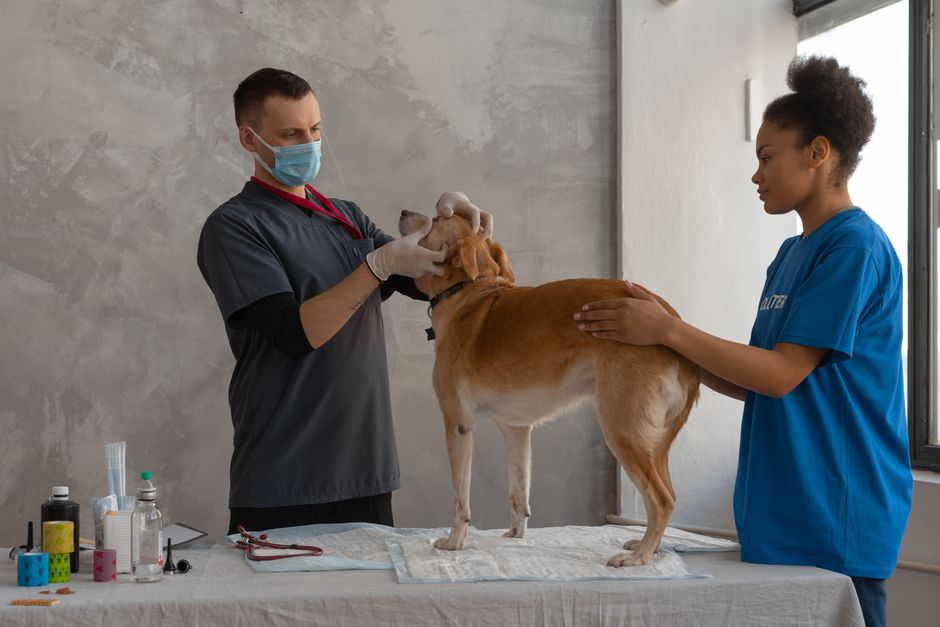
When over-the-counter remedies and basic changes aren’t helping, professional allergy testing provides clarity. At All Pets Medical Center, our veterinary team uses advanced diagnostic tools to identify the specific allergens affecting your dog. The process often starts with a detailed history and physical examination to rule out other potential causes. Our veterinarians may recommend allergy testing for dogs if your pet’s symptoms are persistent or severe.
There are two primary types of allergy testing available. The first is blood testing, which measures your dog’s immune response to a wide panel of common allergens—including environmental and some food triggers. The second is intradermal skin testing, a method that involves injecting tiny amounts of potential allergens under the skin to observe reactions. While intradermal testing is considered the gold standard for environmental allergies, blood testing is less invasive and often preferred for initial screening, especially for dogs that cannot be safely sedated. In some cases, a strict elimination diet is used to diagnose food allergies, where your dog is placed on a novel protein and carbohydrate source for several weeks, then gradually reintroduced to previous foods to observe reactions. Throughout this process, our diagnostic laboratory services support accurate and timely results.
Our goal with any allergy testing is to give you clear answers and a personalized treatment plan. We understand how stressful it is to watch your dog suffer, and we’re here to guide you every step of the way.
Allergy Treatment and Management Options
Once your dog’s allergens have been identified, your veterinarian will create a tailored management plan. Treatment approaches involve several strategies, often used together for best results. For environmental allergies, options include allergen avoidance (such as frequent bathing, cleaning bedding, and using air purifiers), medications to control itching and inflammation, and immunotherapy—also known as allergy shots or oral drops—that help desensitize your dog’s immune system over time. For food allergies, the mainstay of treatment is a carefully selected prescription diet, formulated to eliminate the offending ingredient. Flea control is essential for dogs with flea allergies; strict year-round prevention with veterinary-approved products is non-negotiable in these cases.
Additionally, our veterinarians may recommend topical treatments, medicated shampoos, or therapies targeting secondary skin infections. If your dog is suffering from chronic skin or ear issues, our veterinary dermatology care provides specialized support. In some cases, holistic treatments such as K-Laser therapy or Traditional Chinese Veterinary Medicine (TCVM) can be integrated to complement conventional therapies and provide additional relief. Your veterinarian will explain each step, answer your questions, and ensure you’re comfortable with the plan.
Supporting Your Dog at Home: Prevention and Daily Care
While professional diagnosis and treatment are crucial, there are several ways you can help manage your dog’s allergies at home. Steps include regularly washing your dog’s bedding, vacuuming floors and furniture, and keeping your pet’s coat clean and free of allergens. After walks, especially during high-pollen seasons, gently wipe your dog’s paws and belly to remove pollen or irritants. For dogs with food allergies, strictly adhere to the prescribed diet and avoid giving table scraps or treats that may contain hidden allergens. Monitoring your dog’s weight, skin condition, and overall comfort helps you catch new symptoms early. If your veterinarian prescribes medications or topical treatments, administering them as directed is key to preventing flare-ups. Consistency in flea prevention—especially in our region where flea activity can persist even in cooler months—protects your dog from unnecessary discomfort. Open communication with your veterinary team ensures any changes in symptoms can be addressed quickly and effectively.
When Should You Schedule Dog Allergy Testing?
It can be tempting to try home remedies or over-the-counter products first, but persistent or worsening symptoms mean it’s time to seek professional help. You should consider scheduling dog allergy testing if your dog is experiencing chronic or severe itching, frequent ear infections, hair loss, or skin infections that don’t resolve with basic care. Additionally, if standard allergy medications aren’t effective or your dog’s symptoms return as soon as you stop treatment, more advanced diagnostics are needed. Any dog exhibiting signs of distress, such as constant discomfort, open sores, or significant changes in behavior, deserves a comprehensive evaluation. Early intervention not only relieves your dog’s suffering but also prevents complications like secondary infections or long-term skin changes. Our veterinarians are here to support you with same-day urgent care appointments when your dog’s comfort can’t wait.
Compassionate, Local Allergy Care for Dogs in Buzzards Bay
If you’re searching for “dog allergy testing near me” and want answers you can trust, All Pets Medical Center is dedicated to your dog’s health and wellbeing. Our experienced veterinary team in Buzzards Bay combines advanced diagnostics, comprehensive treatment options, and genuine compassion to help your pet feel better—faster. We know how much your dog means to your family, and we’re committed to providing the highest level of care from the first sign of trouble through every step of recovery.
When you need a veterinarian near me who truly understands the complexities of canine allergies, our team is ready to help. Schedule an appointment online, call (508) 743-8338, or visit us at our convenient location to discuss allergy testing, management, or any other concerns. You can also explore more about allergy testing for dogs or learn about our full range of veterinary dermatology care for persistent skin issues. Don’t let allergies keep your dog from enjoying life—reach out today and give your pet the comfort they deserve.
This blog is for informational purposes only and should not replace professional veterinary advice. If your dog is experiencing severe symptoms or a sudden decline in health, contact your veterinarian promptly for guidance and care.